EFFECTIVENESS OF LOW GLYCEMIC INDEX HIGH PROTEIN DIET ON AGES AND INTERLEUIKIN-6 LEVELS IN PCOS-INSULIN RESISTANCE MODEL MICE
Effectiveness of Low Glycemic Index High Protein Diet on Ages and Interleuikin-6 Levels in PCOS Insulin Resistance Model Mice
DOI:
https://doi.org/10.26911/jepublichealth.2025.10.04.06Abstract
Background: A dietary approach that is low in carbohydrates and high in protein may enhance the management of polycystic ovary syndrome (PCOS) by assessing serum concentrations of Interleukin 6 and AGEs. This study aimed to evaluate the effects of a low carbohydrate, high protein diet in PCOS insulin resistance model mice on the level of AGEs and Interleukin 6.
Subjects and Method: This study used a post test only control group design, true experimental design. The number of samples in this study was 18 mice divided into 3 groups. The number of samples in each group was added 20% of the initial number of samples as a reserve for mice that died. The sample comparised six female rattus norvegicus mice aged 2-3 months, weighing 150-200 gr. The independent variable was the low glycemic index high protein (LGHIP) diet. The dependent variables were AGEs and Interleukin-6. Examination of blood serum of mice ELISA measurement of AGEs and IL-6 levels. Anova and Post Hoc tests were performed to compare AGEs and IL-6 levels between groups.
Results: LGIHP diet decreased IL-6 levels of PCOS-IR model mice (p= 0.002). There was a significant difference between the K- and P groups in IL-6 levels (p= 0.002). Changes in AGEs levels between groups showed a significant difference (p= 0.015). Post Hoc test for AGEs levels showed significant differences between the K- and P groups (p= 0.023), the K+ group with the P group (p= 0.047).
Conclusion: The LGIHP diet may serve as a potential dietary strategy for managing PCOS-IR. Regulating diet especially carbohydrates and glucose can improve the response to glucose secretion and inflammatory pathways, thereby affecting the significant risk of PCOS severity.
Keywords: low glycemic index high protein diet, AGEs, IL-6, polycystic ovary syndrome.
Keywords:
low glycemic index high protein diet, AGEs, IL-6, polycystic ovary syndrome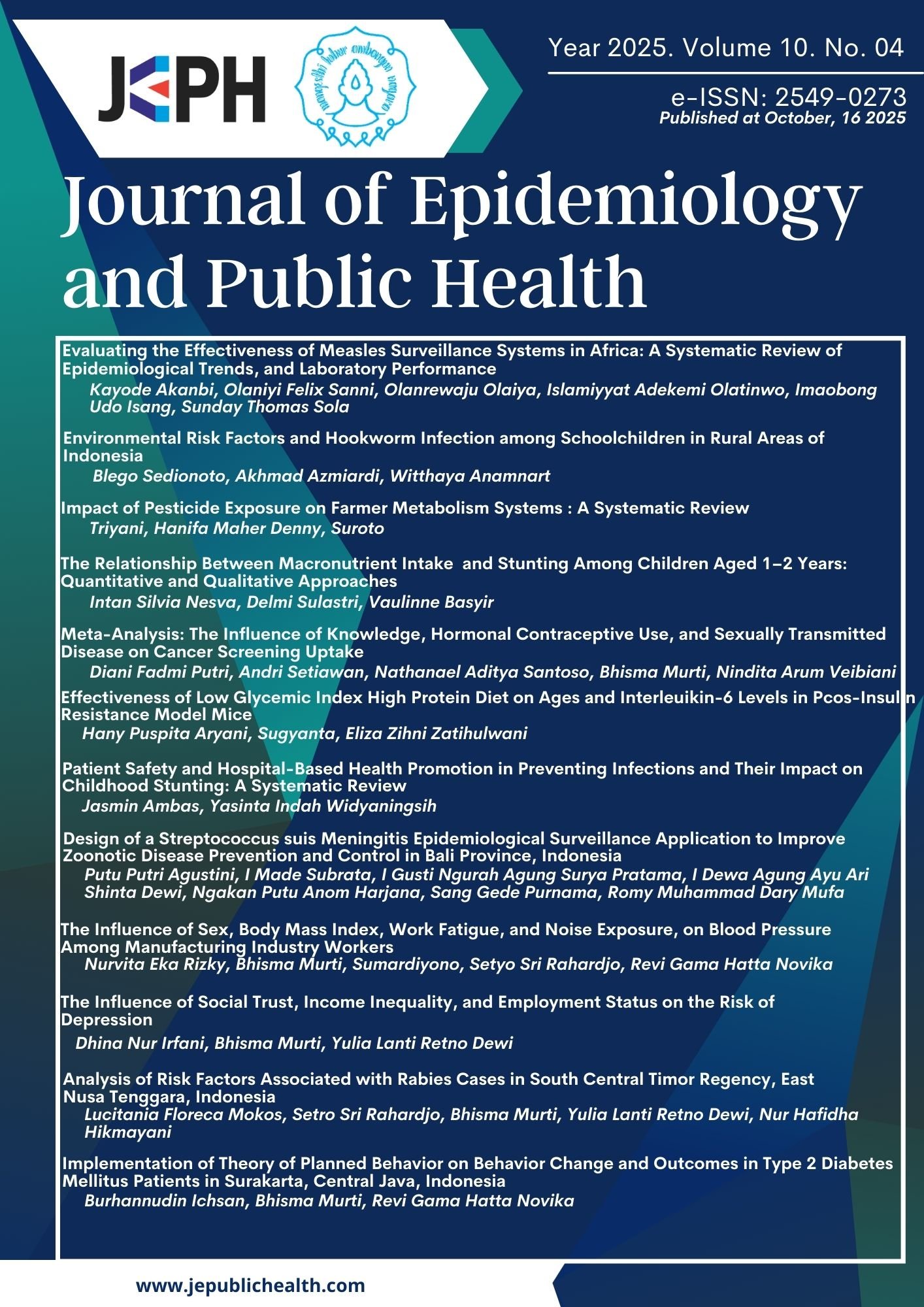
How to Cite
References
Armanini D, Boscaro M, Bordin L, Sabbadin C (2022). Controversies in the Pathogenesis, Diagnosis and Treatment of PCOS: Focus on Insulin Resistance, Inflammation, and Hyperandrogenism. IJMS, 23(8): 4110. doi: 10.3390/ijms23084110
Azarbayjani K, Sadatmahalleh JS, Mottaghi A, Nasiri M (2024). Association of dietary inflammatory index with C-reactive protein and interleukin 6 in women with and without polycystic ovarian syndrome. Sci Rep, 14(1): 3972. doi: 10.1038/s41598-024-53958-5
Azhary JMK, Harada M, Kunitomi C, Kusamoto A, Takahashi N, Nose E, Oi N., et al. (2020). Androgens Increase Accumulation of Advanced Glycation End Products in Granulosa Cells by Activating ER Stress in PCOS. Endocrinology, 161(2): bqaa015. doi: 10.1210/endocr/bqaa015
Calcaterra V, Cena H, Sottotetti F, Hruby C, Madini N, Zelaschi N, Zuccotti G (2023). Low Calorie Ketogenic Diet: Potential Application in the Treatment of Polycystic Ovary Syndrome in Adolescents. Nutrients, 15(16): 3582. doi: 10.3390/nu15163582
Deswal R, Narwal V, Dang A, Pundir C (2020). The Prevalence of Polycystic Ovary Syndrome: A Brief Systematic Review. J Hum Reprod Sci, 13(4): 261–271. doi: 10.4103/jhrs.JHRS_95_18
Saleh HS, AlRufaei IA, Jawad ES (2023). Physiological Change of Interleukin-1 Alpha (IL-1α) in Iraqi, Thi Qar Women with Polycystic Ovarian Syndrome. UTJsci, 10(1): 171–174. doi: 10.32792/utq/utjsci/v10i1.1058
Hsu YJ, Huang CC, Lin CI (2022). The effect of a low carbohydrate ketogenic diet with or without exercise on post-partum weight retention, metabolic profile and physical activity performance in postpartum mice. J Nutr Biochem, 102: 108941. doi: 10.1016/j.jnutbio.2022.108941
Kolanska K, Reig JA, Cohen J, Cheloufi M, Selleret L, d’Argent E, Kayem G, et al. (2021). Endometriosis with infertility: A comprehensive review on the role of immune deregulation and immune-modulation therapy. Am J Reprod Immunol, 85(3): e13384. doi: 10.1111/aji.13384
Mei S, Ding J, Wang K, Ni Z, Yu J (2022). Mediterranean Diet Combined With a Low-Carbohydrate Dietary Pattern in the Treatment of Overweight Polycystic Ovary Syndrome Patients. Front Nutr, 9: 876620. doi: 10.3389/fnut.2022.876620
Moore JM, Waldrop SW, Green MC (2021). Weight management in adolescents with polycystic ovary syndrome. Current Obesity Reports, 10(3): 311–321. doi: 10.1007/s13679-021-00437-x
Mouanness M, Nava H, Dagher C, Merhi Z (2022). Contribution of Advanced Glycation End Products to PCOS Key Elements: A Narrative Review. Nutrients, 14(17): 3578. doi: 10.3390/nu14173578
Najafabadi MS, Moludi J, Salimi Y, Saber A (2023). A comparison of the portfolio low-carbohydrate diet and the ketogenic diet in overweight and obese women with polycystic ovary syndrome: study protocol for a randomized controlled trial. Trials, 24(1): 509. doi: 10.1186/s13063-023-07569-6
Pan J, Zhou C, Zhou Z, Yang Z, Dai T, Huang H, Jin L (2021). Elevated ovarian pentraxin 3 in polycystic ovary syndrome. J Assist Reprod Genet, 38(5): 1231–1237. doi: 10.1007/s10815-021-02105-4
Rudnicka E, Suchta K, Grymowicz M, Calik-Ksepka A, Smolarczyk K, Duszewska AM, Smolarczyk R, Meczekalski B (2021). Chronic Low Grade Inflammation in Pathogenesis of PCOS. IJMS, 22(7): 3789. doi: 10.3390/ijms22073789
Tatone C, Emidio GD, Placidi M, Rossi G, Ruggieri S, Taccaliti C, D’Alfonso A, et al. (2021). AGEs-related dysfunctions in PCOS: evidence from animal and clinical research. J Endocrinol, 251(2): R1–R9. doi: 10.1530/JOE-21-0143